
Special Dietary Accommodations at Japanese Steakhouses: Vegetarian, Gluten-Free & Allergy-Friendly Options
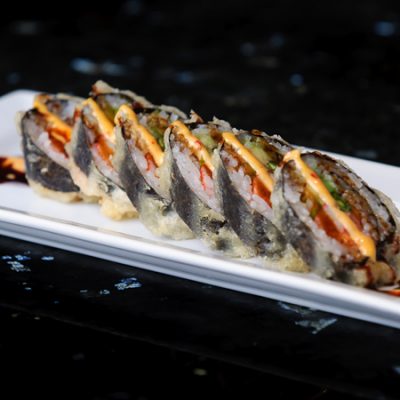
Japanese steakhouses can absolutely accommodate vegetarian, gluten-free, and allergy-conscious diners. Teppanyaki restaurants like Taki Japanese Steakhouse in Macon, GA offer plant-based proteins, seafood-forward menus, and customizable preparations that make inclusive dining genuinely possible. The key is knowing what to ask for and which menu sections offer the most flexibility.
Vegetarian Options at a Japanese Steakhouse
The common assumption is that hibachi grills exist solely for meat. That assumption is wrong. A well-stocked Japanese steakhouse carries plant-based proteins and vegetable-forward dishes that hold up on the teppanyaki surface just as well as any steak.
Tofu Teriyaki
Taki Japanese Steakhouse offers Tofu Teriyaki, a protein-rich option that works for vegetarians seeking a satisfying hibachi-style meal. Firm tofu takes on flavor from teriyaki glaze and benefits from the high-heat cooking of the hibachi grill. Paired with steamed rice and vegetables, it forms a complete plate.
Hibachi Vegetable
Hibachi Vegetable is another dedicated option on the Taki menu. Seasonal vegetables cooked directly on the teppanyaki grill pick up the characteristic char and smoky flavor that defines the hibachi experience. This is not a reduced or compromised version of the meal. It is the same cooking method, the same tableside showmanship, applied to produce.
Vegetable Tempura and Avocado Tempura
On the appetizer and side side of the menu, Vegetable Tempura and Avocado Tempura give vegetarian diners deep-fried options with real variety. Edamame is another plant-based starter that requires no substitution or special preparation.
Sushi and Maki Rolls for Vegetarians
The sushi menu at Taki carries several rolls that contain no meat or fish by design. Avocado Maki and Kappa Maki (Cucumber) are clean, simple rolls built around plant ingredients. The California Roll, which uses imitation crab, avocado, and cucumber, suits many vegetarians depending on their dietary boundaries. Vegetarian guests should confirm specific roll ingredients with the server since preparations can vary.
Gluten-Free Considerations at Teppanyaki Restaurants
Gluten-free dining at a Japanese steakhouse requires some awareness because traditional soy sauce contains wheat. This is the most common hidden source of gluten on a Japanese menu, and it applies to teriyaki sauces, dipping sauces, and some marinades.
Where Gluten Typically Hides
Soy sauce is used widely in Japanese cooking. Standard teriyaki sauce is generally soy-based, which means dishes like Chicken Teriyaki, Steak Teriyaki, Salmon Teriyaki, and Shrimp Teriyaki may contain gluten through the sauce, not the protein itself. Guests with celiac disease or a serious gluten intolerance should ask the kitchen directly about sauce preparation and whether tamari or a gluten-free soy substitute is available.
Tempura batter is another concern. Shrimp Tempura, Chicken Tempura, and Vegetable Tempura all use a wheat-based batter in standard preparation. These dishes are not gluten-free as typically prepared.
Naturally Lower-Gluten Choices
Sashimi is among the most naturally gluten-accessible options at a Japanese restaurant. Taki offers Sashimi Regular and Sashimi Deluxe, as well as individual sashimi selections including Tuna (maguro), Salmon (sake), Yellowtail (hamachi), Sea Bass, Flounder, and others. Plain sashimi with no added sauce or marinade is simply sliced raw fish. Guests should still ask about how pieces are handled and whether shared surfaces are a concern.
Miso Soup and House Clear Soup are common starters to discuss with the server, as miso paste and broth bases vary by brand and preparation. House Salad with Ginger Dressing is another area to verify, since dressings can contain soy.
Steamed Rice is a straightforward gluten-free side. Fried Rice may involve soy sauce and should be confirmed before ordering.
Allergy-Friendly Ordering: Practical Tips
Managing food allergies at a hibachi restaurant takes a small amount of advance communication but is very doable. A few practices make the experience safer and more enjoyable.
Communicate Early and Specifically
Telling the server about an allergy when seated, before the chef arrives at the table, gives the kitchen time to prepare. Specifying the exact allergen, not just a general term like "shellfish" or "gluten," helps the team make accurate decisions. Taki's menu includes shellfish in numerous forms, including Shrimp, Scallop, Lobster Tail, and Surf Clam, so guests with shellfish allergies should review the menu carefully.
Cross-Contact on Shared Grills
The teppanyaki grill is a shared cooking surface. A chef cooking multiple proteins at the same table on the same grill creates cross-contact risk. Guests with serious allergies should mention this specifically and ask whether a separate cooking surface or utensils can be used. Responsible restaurants take these requests seriously.
Egg and Dairy Allergies
Egg Omelet (Tamago) appears in sushi preparations. Cheese Dumplings contain dairy. Guests with egg or dairy restrictions should scan both the sushi and appetizer sections carefully.
Taki Japanese Steakhouse: Commitment to Fresh, Quality Ingredients
Taki Japanese Steakhouse at 6255 Zebulon Rd, Macon, GA 31210 has stated that it flies in seafood from around the globe and sources the freshest product available each day. That sourcing commitment matters for guests with dietary needs because fresher, less processed ingredients carry fewer hidden additives and are easier to adapt around specific restrictions.
The restaurant has also stated a commitment to sustainability across its entire menu, not just seafood. Guests can reach Taki at (478) 475-1888 or visit www.takimacon.com to review the current menu or ask questions before visiting.
Frequently Asked Questions
Does Taki Japanese Steakhouse have vegetarian options?
Yes. Taki's menu includes Tofu Teriyaki, Hibachi Vegetable, Vegetable Tempura, Avocado Tempura, Edamame, and several vegetarian-friendly maki rolls such as Avocado Maki and Kappa Maki (Cucumber).
Is teppanyaki food gluten-free?
Not automatically. Standard soy sauce contains wheat, and tempura batter is wheat-based. Sashimi and steamed rice are among the most naturally gluten-accessible choices. Guests with celiac disease or serious gluten sensitivity should speak with the server before ordering to understand sauce ingredients and cooking surface practices.
Can I eat sushi if I have a shellfish allergy?
Some sushi and sashimi options at Taki do not contain shellfish, including Tuna, Salmon, Yellowtail, and certain maki rolls. However, cross-contact is possible in a shared kitchen environment. Always notify the server of a shellfish allergy so the team can guide you toward safer selections.
How do I communicate a food allergy at a hibachi restaurant?
Inform the server immediately upon being seated, before the chef comes to the table. Name the specific allergen clearly. Ask about shared cooking surfaces and request separate utensils if cross-contact is a concern. Calling ahead to (478) 475-1888 before your visit gives the kitchen additional time to prepare.
Does Taki offer anything for people who do not eat meat or seafood?
Yes. Tofu Teriyaki and Hibachi Vegetable are the primary protein-free hibachi options. Vegetable Tempura, Avocado Tempura, Edamame, and select maki rolls round out the plant-based choices. Guests following a strict vegan diet should confirm sauce ingredients, as some preparations may include honey, egg, or fish-derived elements.