
Omakase vs. Teppanyaki: Understanding Premium Japanese Dining Formats
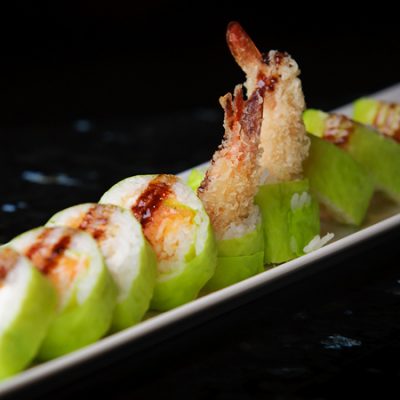
Omakase and teppanyaki are two distinct styles of premium Japanese dining. Omakase is a chef-led tasting experience where the diner trusts the chef to select and prepare each course, while teppanyaki centers on skilled cooking performed live on a flat iron griddle, often at a communal table. The two formats differ in pacing, social energy, and the type of food featured - omakase leans heavily on raw fish and precision, while teppanyaki showcases grilled proteins and theatrical flair.
What Is Omakase?
Omakase translates roughly from Japanese as "I leave it up to you." The diner hands all menu decisions to the chef, who builds a sequence of courses based on what is freshest, what is in season, and how the meal should flow from start to finish.
How an Omakase Meal Unfolds
A typical omakase begins with lighter preparations - often sashimi or delicate appetizers - and progresses through increasingly rich or complex dishes. The chef may serve nigiri one or two pieces at a time, narrating each selection. Common features of omakase include:
- Ingredients sourced for peak freshness, often including globally flown-in seafood such as sea urchin (uni), salmon roe (ikura), sweet shrimp (ami ebi), and yellowtail (hamachi)
- A small number of seats, usually at a counter, so the chef can engage directly with each guest
- A fixed price that covers the full sequence of courses
- No printed menu - the chef decides everything
Omakase is best suited to diners with a genuine curiosity about Japanese cuisine, a willingness to try unfamiliar ingredients, and no significant dietary restrictions.
Omakase and Ingredient Quality
Because omakase removes the menu safety net, ingredient quality becomes the entire point. Restaurants that take omakase seriously - like Taki Japanese Steakhouse in Macon, GA - operate with a stated philosophy that "the essence of Japanese cuisine is the ingredients" and commit to procuring the freshest product available every day, flying in seafood from around the globe.
What Is Teppanyaki?
Teppanyaki refers to a style of cooking on a teppan, a large flat iron griddle. The word breaks down as teppan (iron plate) and yaki (grilled or broiled). Chefs prepare proteins, vegetables, rice, and noodles directly on the griddle at high heat, often at a communal table where diners sit around the cooking surface.
How a Teppanyaki Meal Unfolds
Teppanyaki is a social, high-energy format. A single chef typically serves a table of several guests simultaneously. The meal generally moves through a set sequence: soup and salad, then an appetizer, then the main course of the guest's choosing, served with fried rice and noodles.
Guests select their main proteins from the menu - common options include hibachi chicken, hibachi steak, shrimp, filet mignon, scallop, lobster tail, or combination plates pairing two or three proteins. At Taki Japanese Steakhouse, combination options include Steak & Shrimp, Filet Mignon & Lobster Tail, Chicken, Shrimp & Filet Mignon, and the showpiece Lobster Filet for Two.
The Performance Element
Teppanyaki chefs are known for tableside technique - precise knife work, controlled flame, and a cooking style that makes the preparation itself part of the experience. This makes teppanyaki a natural choice for celebrations, group outings, and occasions where the spectacle of the meal matters as much as the food itself.
Teppanyaki is also more accessible to first-time Japanese restaurant diners. Guests choose familiar proteins cooked in a straightforward way, and the communal table setting encourages conversation.
Key Differences at a Glance
| Factor | Omakase | Teppanyaki | |---|---|---|---| | Menu control | Chef decides everything | Guest selects proteins | | Setting | Counter, often intimate | Communal griddle table | | Food focus | Raw fish, sashimi, nigiri | Grilled proteins, rice, noodles | | Pacing | Slow, sequential courses | Single seated meal, energetic | | Best for | Food-curious couples, special occasions | Groups, families, celebrations | | Social energy | Quiet and focused | Lively and interactive |
Which Format Fits Which Occasion?
Choose omakase-style dining when the goal is to discover something new and place full trust in the kitchen's expertise. It rewards patience and an open palate.
Choose teppanyaki when the occasion calls for shared energy - birthday dinners, business outings, family gatherings, or any meal where the performance at the table is part of the memory. Teppanyaki also works well for guests who want a substantial, satisfying meal without navigating an unfamiliar menu.
Taki Japanese Steakhouse: Both Experiences in Macon, GA
Taki Japanese Steakhouse at 6255 Zebulon Rd, Macon, GA 31210 offers hibachi teppanyaki dining alongside an extensive sushi and sashimi menu, letting guests experience different aspects of Japanese cuisine under one roof.
The sushi menu includes individual sashimi selections - from tuna (maguro) and salmon (sake) to surf clam, octopus (tako), and sea bass - as well as specialty rolls such as the Tuna Dynasty Roll, Dragon Roll, Filet Mignon Roll, and the Lobster King Crab Roll. Diners seeking a full sushi spread can order the Sushi & Sashimi Combo, the Chirashi, or the Love Boat for Two or Three.
On the hibachi side, the kitchen prepares everything from Hibachi Chicken and Hibachi Salmon to multi-protein combinations and Hibachi Lobster Tail. The restaurant also handles private parties and catering, making it a practical choice for groups that want the teppanyaki experience in a dedicated setting.
Taki has been transparent with its community about rising ingredient costs, noting that it has held off on price increases to keep food accessible, while continuing to source the freshest seafood available. Reservations and details are available at www.takimacon.com or by calling (478) 475-1888.
Frequently Asked Questions
What is the main difference between omakase and teppanyaki?
Omakase is a chef-curated tasting format where the diner surrenders all menu choices to the chef, typically featuring raw seafood and small sequential courses. Teppanyaki is a style of tableside grilling on a flat iron griddle where guests choose their proteins and watch the chef cook them live. The two formats differ in menu control, food type, pacing, and social atmosphere.
Is teppanyaki the same as hibachi?
The terms are often used interchangeably in American restaurants, but they are technically different. Traditional hibachi uses a round, open-grate charcoal grill, while teppanyaki uses a flat iron griddle. Most Japanese steakhouses in the United States - including Taki Japanese Steakhouse - use the flat teppan surface while marketing the experience as hibachi dining.
Is omakase appropriate for someone who does not eat raw fish?
Omakase menus are built around the chef's selection, which usually includes raw preparations. Diners with restrictions on raw fish may find teppanyaki a more comfortable fit, since proteins are grilled to order and guests choose from a set menu of cooked options.
Which experience is better for a large group?
Teppanyaki is generally the stronger choice for larger groups. The communal griddle table seats multiple guests together, and a single chef can prepare everyone's meal simultaneously. The interactive format also gives groups a shared focal point. Omakase is typically more intimate, with limited seating and a quieter pace.
How do I book a teppanyaki or hibachi experience at Taki Japanese Steakhouse?
Reservations can be made through the restaurant's website at www.takimacon.com or by calling (478) 475-1888. Taki also accommodates private parties and catering requests, which is worth noting for larger events or business occasions.